
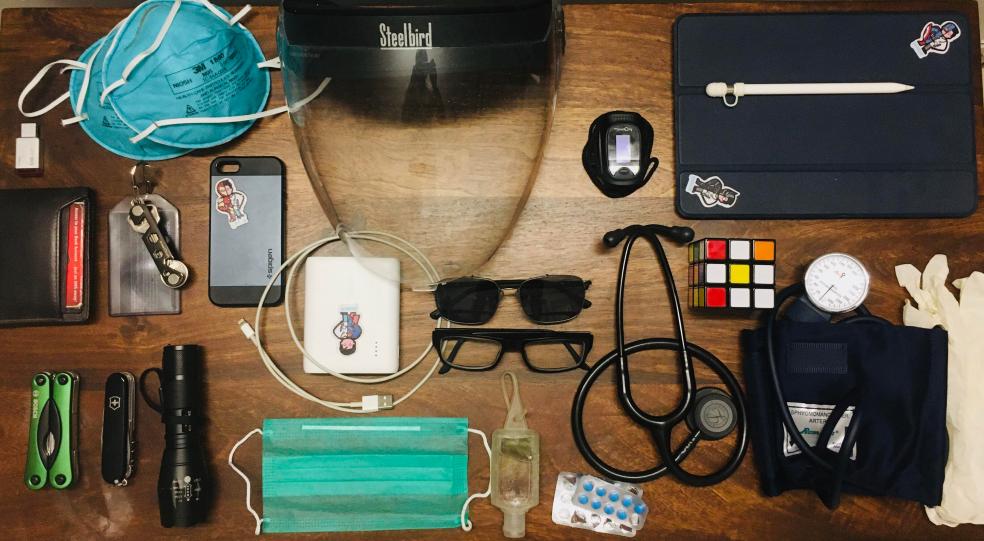
I’ve been out of medical school for nearly 6 months now and I’ve spent the past 4 of those working as a resident physician. Despite being a pediatrics resident and working at a children’s hospital, I’ve been lucky enough to meet plenty of residents a wide range of specialties. EM residents, FM residents, urology residents, ENT residents… the list goes on. I’m also lucky enough to have friends who practice in internal medicine, general surgery, pathology, and almost a dozen other specialties. Over these past few months, I’ve noticed some trends in what my coworkers bring with them to work, what items they use daily, and what items they say they couldn’t live without. I’ve chosen to forgo the obvious, ubiquitous choices of a laptop or stethoscope. Instead, I hope to highlight a few items that are big and may be an investment, as well as a few items that are small and easy purchases. There will be hyperlinks for every item listed as well as a list of substitutes that I like just as much. Lastly, I want to stress that I am not sponsored by any company or product that I list here below. There is no financial incentive for me to recommend any of the products that I am listing today and I have no conflicts of interest to disclose.
Without any further adieu, here are my top 10 essential items for resident physicians:
Item 1: Multi-color Pens
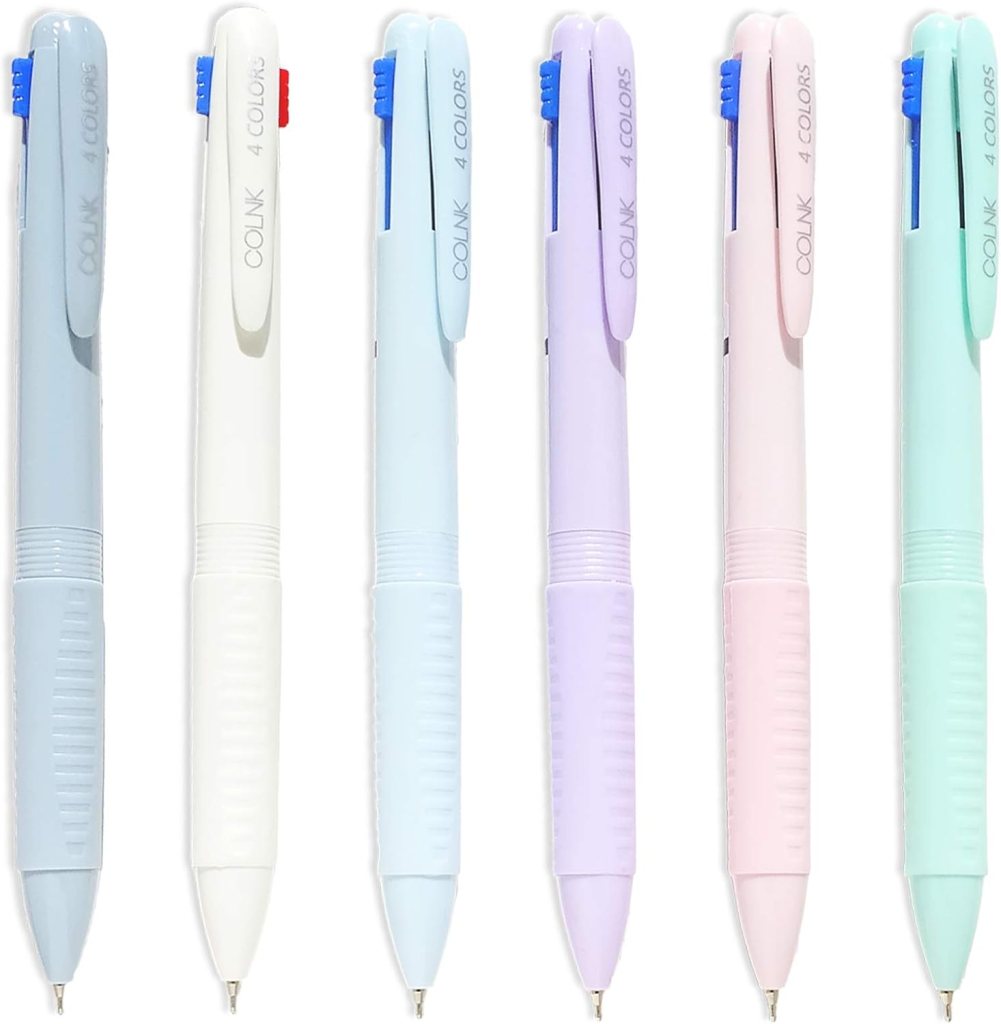
These are number 1 on my list for a good reason – you will always need a pen. It doesn’t matter if you’re in general surgery, psychiatry, pediatrics, or orthopedics, you will always need to jot down notes, sign paper scripts, and fill out student evaluations. Multicolored pens are great for a number of reasons, chief among them being their utility for color-coding. When you’re seeing patients, you have to write down a lot and it’s very easy to lose information in the sea of notes you’ve taken. Color-coding your notes makes it incredibly easy to identify lab values, remember which tasks are urgent, a patient’s phone number, etc. Having multiple colors also allows you to get more longevity out of a pen if you’re only writing in one color at a time. A small tip size (0.5 to 0.75 mm) is a huge plus, as it allows you to fit way, way more info on a page and prevents ink smearing because your lines dry faster.
The pen I see used most commonly in the hospital is also my preferred choice – the COLINK 0.5mm Multicolor Ballpoint Pen 4-in-1 Colored Pens. These are just plain good pens. They’re a nice size, light weight, and have a comfortable grip. They also click very easily and are incredibly reliable. They’re cheap too, and as a broke doctor, 6 high quality pens for $14 is an absolute steal to me. Once I tried these pens out, I noticed them everywhere in the hospital. I even had a medical student point them out to me last night and asked me if I thought they were worth the purchase. I absolutely do.
Other popular choices:
BIC 4-Color Original Retractable Ball Pens
Paper Mate InkJoy Quatro Retractable Ballpoint Pens
Pilot, G2 Premium Gel Roller Pens, Extra Fine Point 0.5 mm
Item 2: High Quality Water Bottle
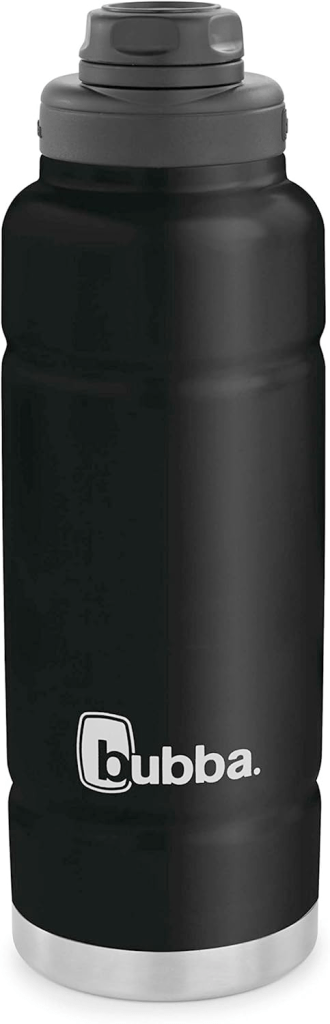
Despite what the ACGME, AOA, and AMA might have you believe, residents are human beings. One thing all humans have in common is a need to drink water. Outside of a construction site, factory line, or professional wrestling ring, the hospital is one of the most physically demanding places you could work in. You’re on your feet for hours at a time, often standing still for extended periods, repeatedly climbing stairs, or running to/from codes and rapids. You’re also left with little time to eat, drink, or go to the bathroom. Therefore, not only do you not have time to sit down for a meal and a glass of water, but doing so may result in many trips to the bathroom to relieve yourself throughout your shift. Because of this, having a water bottle with you each day is essential for avoiding the nausea, fatigue, and headaches that can come as a result of being dehydrated.
I use a Bubba Trailblazer 40 oz bottle personally. I like that it has a very premium feel at a low price. I paid $14.50 for the bottle and I’ve never had any problems with leaking, insulation, or durability. It has taken a beating and still works perfectly. It looks, feels, and functions identically to higher priced water bottles that I’ve seen coworkers bring but at a fraction of a price. I usually drink an entire bottle’s worth of water each shift, so it’s the perfect volume. It’s also big and heavy enough to avoid losing it, but not so big that it becomes clunky or cumbersome.
Other popular choices:
Owala FreeSip
IRON °FLASK Camping & Hiking Hydration Flask
Nalgene Sustain Tritan BPA-Free Water Bottle
Item 3: Flashlight/Penlight

You would be shocked at how many times you’ll enter a patient’s room where the opthalmoscope just straight up doesn’t work. It will be plugged in with the power on and still not work. And sometimes when they do work, the light emitted is so faint that it’s still practically useless. The number of times where I’ve been forced to rely on my phone’s flash to help me look at a patients pupils, mouth, or throat is embarrassingly high. Now, being in pediatrics I’m obviously going to recommend a fun, frog-shaped light. But if you work with adults, you could easily get other animals, too. Haha, just kidding, obviously I’m going to recommend other models for taking care of adults. But for kiddos, I recommend the Big Discoveries LifeLight Animal Carabiner Flashlight. I clip it right on to my badge lanyard and it stays with me every day. It’s very bright and very fun. The kids love it. 🙂 For adults, I’d recommend the CAVN Pen Light with Pupil Gauge. Both are great options, one is just way more fun than the other, but that’s okay.
Other popular choices:
Big Discoveries WildLight Animal Carabiner Flashlight
Streamlight 66118 Stylus Pro
Primacare DL-9223
Item 4: Electric Trimmer/Foil Razor

Some people like to shave and some don’t. Either choice is okay, but I have patchy facial and body hair so I more-or-less have to shave if I want to look presentable at all. However, washing your face, exfoliating, lathering up, shaving, and cleaning up can take an annoyingly long time. While I am lucky enough to not have sensitive skin on my face, many people complain that shaving leaves them with ingrown hair, acne, or rashes. Having a foil razor solves all of these issues, being quick, easy, and preventing the growth of ingrown hairs. I like the Philips Norelco OneBlade 360 Face + Body. You can use it wet or dry and with/without shaving cream. It has a super long battery life, easy and affordable replacement blades, and comes with a nice selection of guard options. I’ve tried it on my whole body with great success, but primarily use it on my face, stomach, and legs. It takes me less than 5 minutes to shave, even on the busiest mornings. I even use it to line up my eyebrows and it works great!
Other popular choices:
King C. Gillette Men’s All-in-One Styler Cordless Stubble Trimmer
Braun Electric Series 3 Razor with Precision Trimmer
Remington DuraBlade Lithium Hybrid Trimmer and Edger
Item 5: Compression Socks

This one is for you surgeons! I don’t have much to say about compression socks that hasn’t already been said. I don’t personally wear compression socks too much because I’m not standing still for extended periods, but my surgery friends absolutely swear by them. There are also many family medicine and internal medicine doctors that I know who also wear compression socks daily. My favorite ones I’ve used are the Bluemaple 6 Pack Copper Compression Socks. These are unisex and are made with doctors and nurses in mind. There are a ton of fun designs, but also some plain and conservative options if you need to be dressy, too. Honestly, you can’t go wrong with these and at less than $20.00 a pack, they’re cheap and easy to replace.
Other popular choices:
Amazon Essentials Men’s Graduated Compression Over The Calf Cotton Comfortable Fit Knee-High Socks
CHARMKING Compression Socks for Women & Men Circulation
fenglaoda 8 Pairs Compression Socks for Men & Women
Item 6: Blackout Curtains
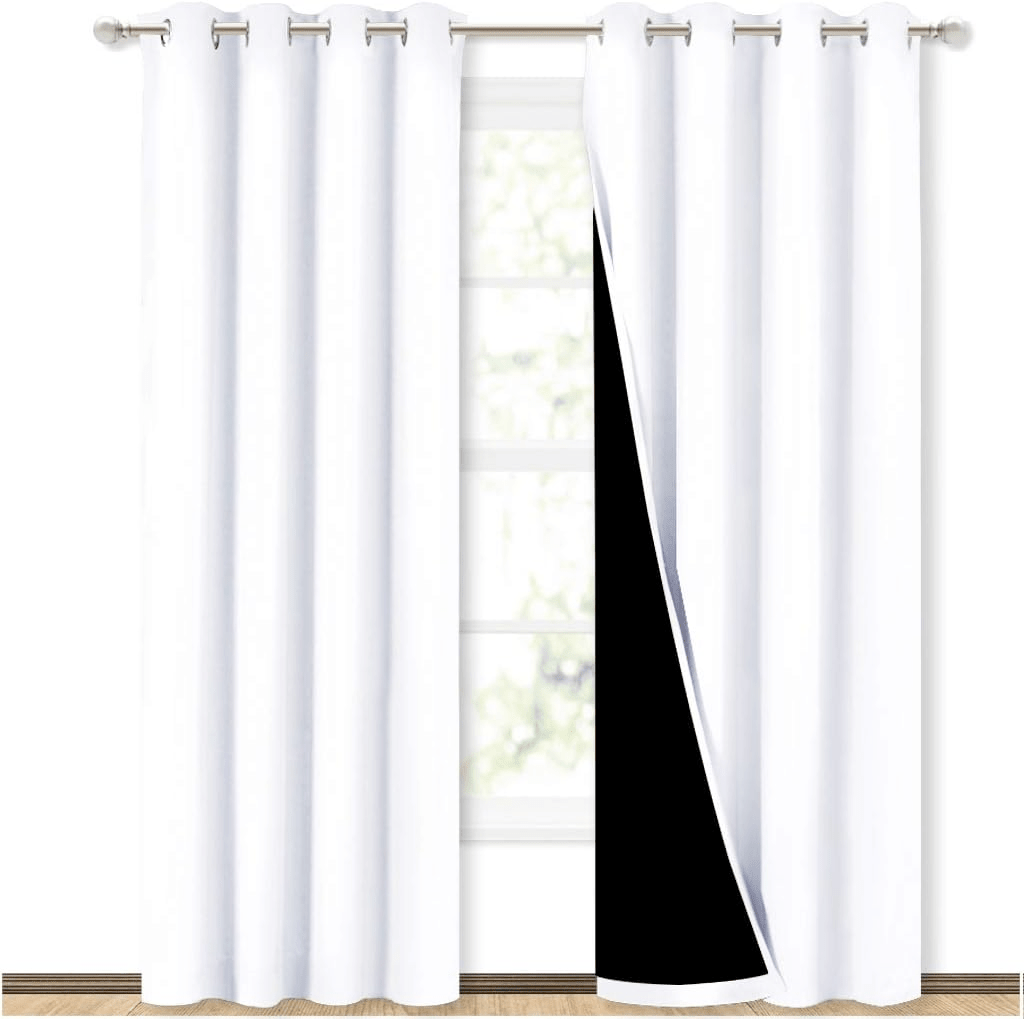
It’s really hard to get restful sleep when you’re working nights. Especially when it’s spring or summer, making blackout curtains an incredibly helpful home addition for any resident. They’re affordable at around $30 to $50 and are very easy to install. Blackout curtains are also great for radiology residents, as it can help enhance the darkness you have to work in during the day time. I’m also just a dark room/night time kind of person, so I get good utility out of these even when I’m working days.
My preferred blackout curtains are the NICETOWN 100% Blackout Window Curtain Panels, Cold and Full Light Blocking Drapes with Black Liner. I enjoy the 2-tone with black, but NICETOWN’s normal blackout curtains are the most highly reviewed ones on amazon.
Other popular choices:
NICETOWN Halloween Pitch Black Solid Thermal Insulated Grommet Blackout Curtains
LEMOMO Blackout Curtains
BGment Blackout Curtains for Bedroom
Item 7: USB Fast Charger
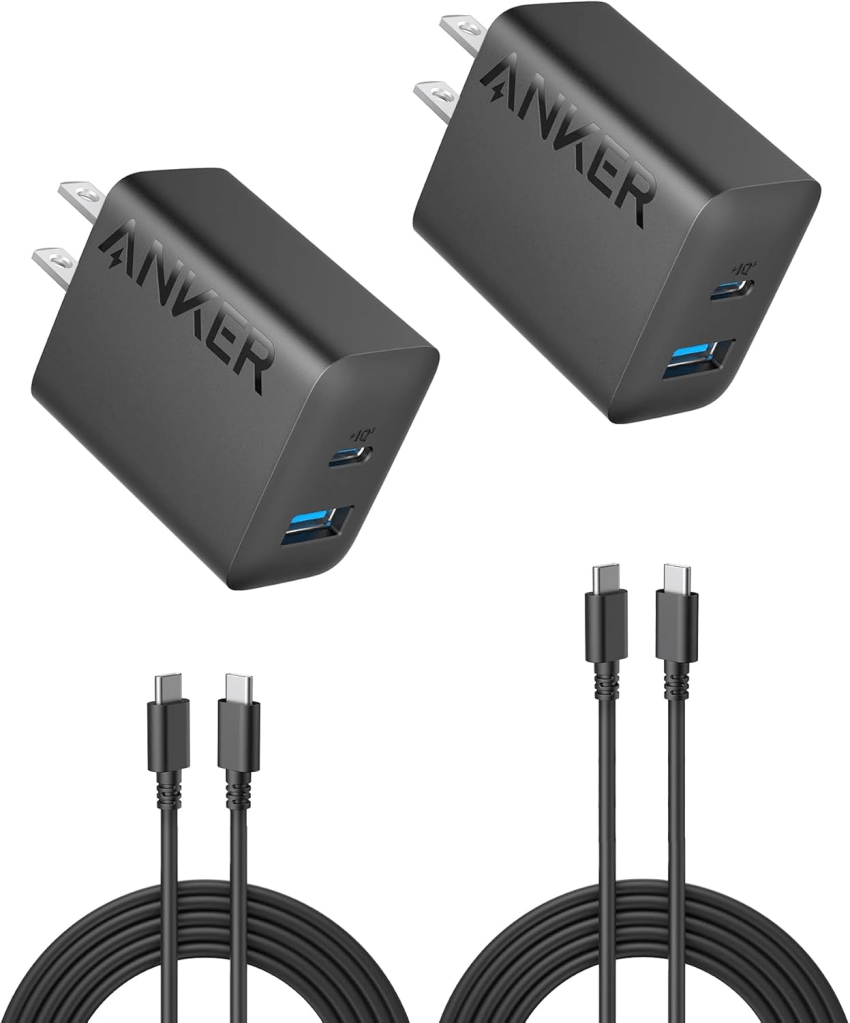
I can’t tell you the number of times I’ve been half way through a shift and only had 10% battery on my phone. Physicians use their phones a lot. Like a lot. On an average shift, I make between 5 and 15 phone calls from my own cellphone. I also frequently text attendings, fellows, residents, and nurses. My phone is the first thing I reach for when I need to look up dosing guidelines on UpToDate or snap a picture of an injury to include in a patient’s chart. Hospitals also have this weird ability to suck up your phone’s battery. I’m not quite sure why, but literally everyone I know experiences decreased phone battery life while at the hospital, even when accounting for how heavily they’re using their phone. This could be due to the poor reception you get in hospitals, but I’m not 100% sure. Either way, having a USB-C fast charger and cables is a necessity for long shifts where you’re calling a lot of consults and putting in a lot of orders for patients. I am very partial to the brand Anker for all of my electronic accessories. I’m a particularly big fan of the Anker 20W Fast USB C Charger with Foldable Plug. It’s small form factor and fold-out prongs make it very convenient and easy to throw in a bag, purse, or even pencil case.
There are also USB-C fast chargers that are powerful enough charge iPads and laptops if you’re interested in spending a little bit more. But given that most phones, even iPhones, have now embraced USB-C fast charging, having one of these bad boys handy will be a major asset to both you, as well as your coworkers.
Other options:
Amazon Basics 36W Two-Port USB-C Wall Charger
Anker USB C Charger (Nano 65W)
USB C Charger Block Charging Station
Item 8: Badge Reel

Everyone needs a badge reel… yes, even the lanyard chads. To be frank, the ones provided by the hospital always suck. They also give off a boring, sterile energy that I’ve only ever experienced in a dentist’s office. I’m not even going to recommend a specific one because everyone’s taste is different, but I’ll list 3 below that cover the 3 major styles and vibes that I see residents give off.
Funny Cat Badge Reel
Tactical ID Badge Reel with 32” Steel Retractable Cord
Retractable ID Name Badge Holder Reels with Swivel Alligator Clip
Item 9: Noise Cancelling Headphones
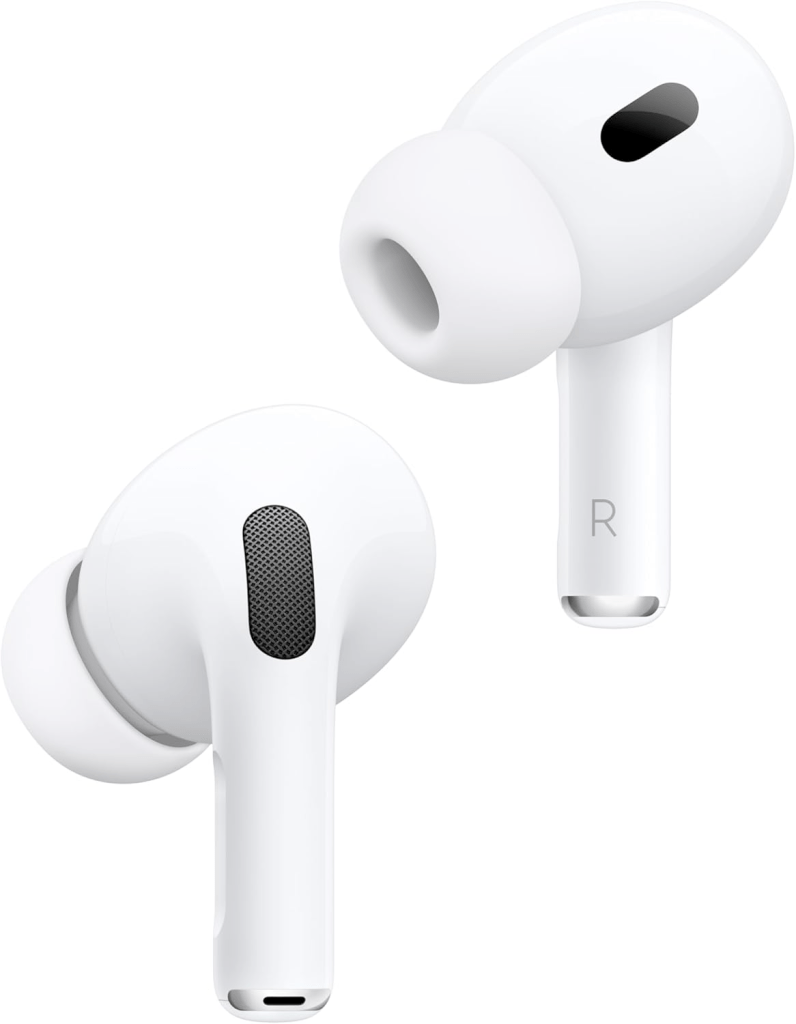
I’ve been trying to be affordable and low key with my recommendations, but there’s one that I repeatedly see my coworkers use and discuss – noise cancelling headphones. These are a given for Step/Level 3 studying, charting at home, or just trying to disconnect from the world during break time. They’re also fantastic for use on flights to conferences or bus rides for resident retreats. Honestly, I would recommend these for anyone regardless of who they are and what they do for a living. Most programs will also let you spend your education stipend on a pair, so often times they actually end up being free, too! I am an iPhone user, so I have a pair of AirPods Pro 2’s. These work fantastically with iOS, but I’ve also used them without issue on non-apple phones and PC’s. The noise cancellation is very good and the built-in microphone is adequate for phone calls, Zoom meetings, or telehealth appointments.
Besides the AirPods, I do also own a pair of over-the-ear headphones with noise cancellation. Funny enough they’re also from Anker and I’ve been using them since medical school – the Soundcore Life Q20 Hybrid Active Noise Cancelling Headphones. These have lasted me over 3 years at this point without any problems. I use them for long study sessions, traveling, and working out at the gym. They’re exceptional headphones given that they’re less than $50. I can’t recommend them enough.
Other options:
Sony WH-CH720N Noise Canceling Wireless Headphones
JBL Live 660NC – Wireless Over-Ear Noise Cancelling Headphones
Skullcandy Hesh ANC Over-Ear Noise Cancelling Wireless Headphones
Item 10: OTC Medication
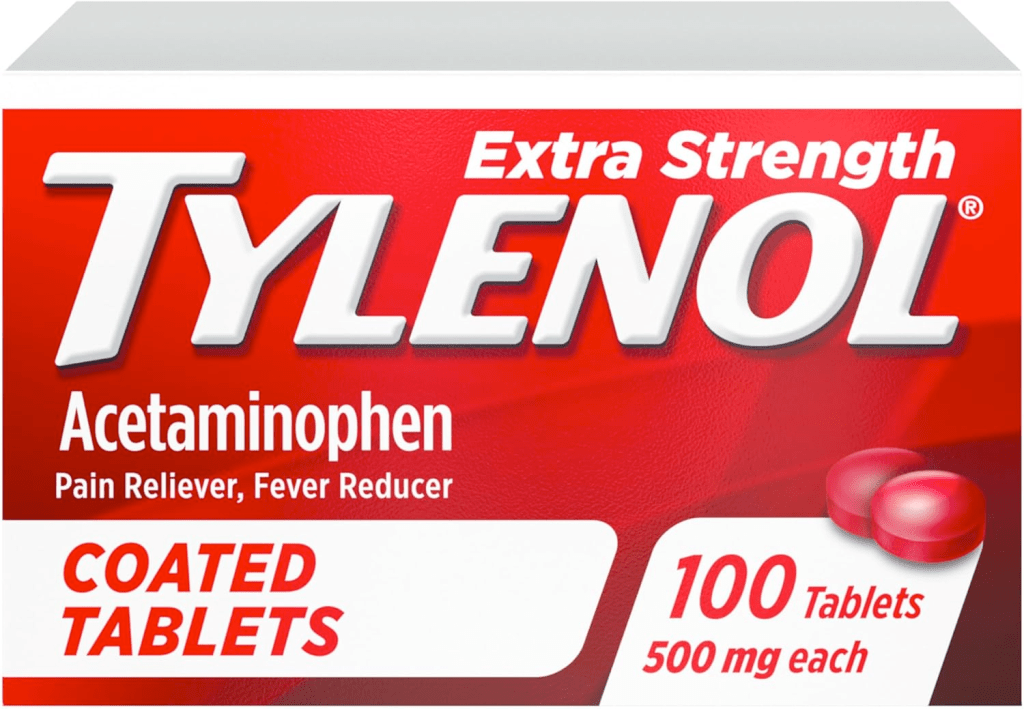
This entry isn’t specific for a reason – you should have a small stash of whatever OTC meds you find yourself needing the most. Migraines are a monthly and sometimes weekly occurrence in my life, so I usually keep Tylenol or Excedrin in my bag. I also keep an antacid and anti-gas/anti-diarrhea medication because headache and upset stomach seem to be the biggest problems I have at work. However you can (and should) tailor your EDC medications to your specific needs.
Header Image Source: https://tinyurl.com/3z688u3
 Broke Doctor